Could the brain gut connection to mental health explain why you feel anxious even when nothing seems wrong? A growing wave of research suggests that the trillions of bacteria living in your gut may shape your mood, your stress response, and even your risk of developing a mental health disorder. In 2026, the gut-brain axis has become one of the most studied topics in modern medicine, and the findings are changing how doctors think about anxiety, depression, and how we feel each day.
The link between your stomach and your brain is not just a theory. It is backed by a growing body of evidence linking gut health to psychiatric disorders, immune system function, and the way nerves relay signals throughout the body.
What Is the Gut-Brain Connection and Why Does It Matter?
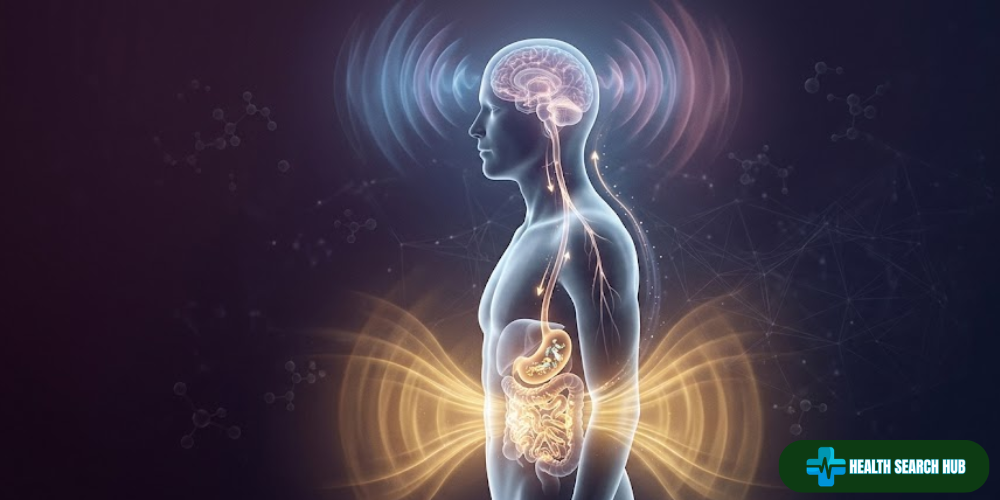
The gut-brain connection refers to the two-way link between your digestive tract and your central nervous system. This system, known as the gut-brain axis, allows your gut organs and your brain to communicate through a complex web of nerve cells, hormones, and chemical messengers.
At the center of this network is the vagus nerve, the longest cranial nerve. It runs from your brainstem down to your belly and serves as the primary highway for messages between your gut and your brain. When your gut microbiome is balanced and diverse, these signals tend to support stable mood and healthy stress levels. When the balance is thrown off, the signals can go wrong, which may lead to anxiety and depression.
🧠 The Enteric Nervous System: Your “Second Brain”
Your gut houses the enteric nervous system, a network of over 100 million nerve cells lining your gut tract. This system is so complex that it is often called the “second brain.” It can function independently of the central nervous system, handling digestion while also sending signals upward through the vagus nerve.
This two-way highway means your gut does not just receive orders from your brain. It actively sends information back, influencing mood, stress responses, and emotional well-being in ways scientists are only beginning to fully map.
How Does Your Gut Microbiome Shape Your Mental Health?
Your gut microbiome consists of trillions of tiny organisms, mostly gut bacteria, that reside in your intestines. These organisms do far more than help you digest food. They produce brain chemicals, regulate swelling, and interact with your immune system.
Research suggests that gut bacteria also influence the hypothalamic pituitary adrenal HPA axis, the body’s central stress response system. The HPA axis controls the release of cortisol, the primary stress hormone. Studies have shown that certain bacterial strains can calm or amplify the body’s reaction to stress. When harmful bacteria outnumber helpful ones, the stress response can become stuck in high gear, leaving you in a chronic state of heightened alertness.
Gut bacteria also play a role in maintaining the blood-brain barrier, a layer that controls which substances can enter the brain from the bloodstream. Emerging research shows that dysbiosis may weaken this barrier, letting harmful molecules reach the brain and possibly trigger or worsen psychiatric disorders.
What Are Psychobiotics and Can They Help With Anxiety?
Psychobiotics are a class of probiotics and prebiotics that, when consumed in appropriate amounts, may have positive effects on mental health. The term was coined by researchers who observed that certain bacterial strains appeared to reduce symptoms of anxiety and depression in both animal models and human trials.
The concept of psychobiotics also extends to what you eat. Consuming fermented foods such as yogurt, kimchi, kefir, and sauerkraut delivers beneficial bacteria directly to the gut. These foods have been consumed for centuries across cultures, and modern science is now starting to explain why they may support emotional well-being.
While psychobiotics show genuine promise, experts warn that they are not a replacement for established treatments for serious health conditions like clinical depression or generalized anxiety disorder. They are best viewed as a helpful addition that supports overall gut health and, by extension, mental resilience.
Is the Science on the Brain Gut Connection to Mental Health Settled?
The evidence linking the gut-brain connection to mood and behavior is strong but still evolving. Large-scale human studies are underway, and experts are working to identify which specific bacterial strains have the greatest influence on mental health outcomes. The field has also expanded to explore links between gut dysbiosis and autism spectrum disorders, though this research remains in early stages.
A 2024 review from Stanford Medicine highlighted growing evidence that the gut-brain axis plays a role in conditions beyond mood disorders, including long COVID-related anxiety and brain diseases. The team stressed that while the pathways are becoming clearer, turning findings into standard clinical protocols will take time.
What is well known is that the connection itself is real and meaningful. The gut and brain talk to each other at all times, and the makeup of your gut microbiome has clear effects on how you think and feel.
How Can You Strengthen the Brain Gut Connection to Mental Health?
Improving your gut health does not require costly supplements or complex protocols. Several evidence-based steps can support a healthier gut microbiome and may benefit your mental well-being.

🍅 Eat a Diverse Range of Whole Foods
Fruits, vegetables, whole grains, and legumes provide the fiber and nutrients that help beneficial gut bacteria thrive. A diverse diet supports a diverse microbiome, which research links to better health outcomes. Aim for 30 or more different plant foods each week to maximize microbial variety.
🧀 Add Fermented Foods to Your Meals
Yogurt, kimchi, miso, and kefir all contain live cultures that can help rebuild and diversify your gut microbiota. A 2021 Stanford study found that a diet high in fermented foods increased microbial diversity and lowered markers of inflammation after just 10 weeks.
🧗 Manage Stress Through Steady Habits
Chronic stress directly harms gut health by altering bacterial makeup and raising intestinal permeability. Moderate exercise, enough sleep, and mindfulness practices can help protect the gut-brain axis. Even 20 minutes of daily movement has been shown to support microbial balance.
Be careful with needless antibiotic use. While antibiotics are vital for treating infections, overuse can wipe out helpful gut bacteria and create lasting problems. Consider speaking with a healthcare provider about whether a targeted probiotic might be right for your needs, especially if you deal with ongoing digestive or mood-related symptoms.
✨ A Positive Step Toward Understanding Your Emotional Health
The growing understanding of the brain gut connection to mental health marks a meaningful shift in how we approach emotional well-being. You are not imagining the link between your stomach and your mood. Science is confirming that the gut microbiome plays a real and clear role in shaping how you feel, how you respond to stress, and how resilient you are in the face of daily challenges. The steps you can take today, such as eating well, managing stress, and supporting your gut bacteria, are within reach, low-cost, and backed by evidence.
Sources
- Frontiers in Psychiatry: Review on Probiotics and Mood Disorders (2025)
- Stanford Medicine: Gut-Brain Connection in Long COVID and Brain Conditions (2025)
- Johns Hopkins Medicine: The Brain-Gut Connection Overview