What is the real connection between social media and mental health? With billions of social media users worldwide and screen time rising each year, researchers have turned serious attention to how these platforms shape how we think and feel. The evidence is mixed. Social media platforms can connect people, build groups, and spread useful information. But a growing body of research also links heavy use to anxiety and depressive symptoms, especially among young people.
Knowing what the science says is the first step toward using these tools intentionally.
What Is the Relationship Between Social Media and Mental Health?
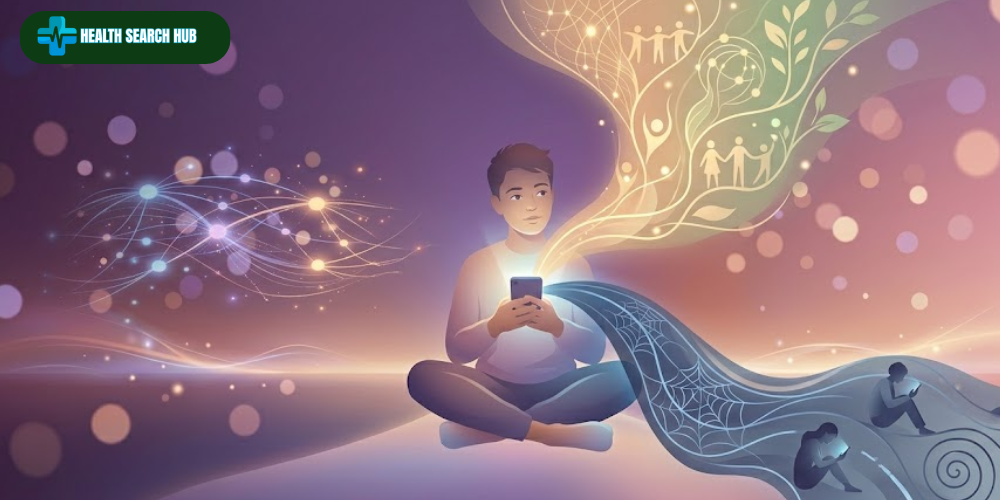
The relationship between social media and mental health is not a simple cause-and-effect story. Researchers describe a complex interaction shaped by how much time you spend online, what content you take in, and how you engage with it.
Studies show that passive scrolling, where you view content without taking part, tends to produce the worst mental health outcomes. Comparing your life to others’ curated highlight reels can fuel loneliness and low self-worth. A 2025 scoping review in the Journal of Clinical Psychiatry confirmed that online self-comparison and reliance on social media for approval were tied to higher rates of depression and anxiety in young adults.
Active use tells a different story. Reaching out to friends and family, sharing experiences, and joining supportive groups have been linked to positive effects on mood and a sense of belonging.

How Does Social Media Affect Mental Health in Young People?
The impact of social media on young people has drawn sharp focus. The U.S. Surgeon General issued a formal advisory stating that the evidence does not yet confirm social media is safe enough for children and teens. Up to 95 percent of young people aged 13 to 17 report using at least one social media platform, with one third saying they use it almost all the time.
A study of children aged 9 to 10 found that increasing daily social media use from about seven minutes to 74 minutes was linked to a 35 percent jump in depressive symptoms over three years.
⚠ Key Risk Factors for Young People
The negative effects of social media on mental health in this age group are often tied to cyberbullying, harmful content, disrupted sleep, and constant social comparison. Nearly two in three teens involved in cyberbullying showed elevated anxiety and depressive symptoms compared to those who were not.
What Are the Benefits of Social Media for Mental Health?
Despite the concerns, the benefits of social media are real. For people in isolated areas, those managing chronic illness, or people facing stigmatized conditions, social media can provide a lifeline to community and support.
Platforms can raise awareness of mental health conditions, make it normal to talk about therapy, and connect social media users with professional resources. The key factor is not whether you use social media, but how you use it. Active, intentional engagement tends to support well-being, while passive, comparison-driven scrolling tends to undermine it.
What Does the Science Say About Social Media and Mental Health?
The current evidence shows a clear link between heavy social media use and increased symptoms of depression and anxiety. However, researchers note that a link does not prove causation. The negative impact may flow in both directions. People already dealing with poor mental health may turn to social media more often, which can then make things worse.
What scientists broadly agree on is that the dose matters. Moderate, purposeful use carries fewer risks than extended, passive scrolling. Screen time alone is not the full picture. The quality of your online interactions plays a major role in whether social media helps or harms your mental health.
The broad patterns are clear, but some of the finer details are still developing as researchers refine how they measure social media use across studies.
How Can You Use Social Media More Intentionally?
You do not need to quit social media entirely to protect your mental health. Small, steady changes can shift your experience from harmful to helpful.
⏰ Set Time Limits
Set daily limits on your most-used social media platforms and turn off alerts so you control when you engage rather than reacting to constant pings.
📱 Curate Your Feed
Unfollow accounts that trigger comparison or negative self-talk, and follow accounts that educate or inspire you. What you see shapes how you feel, so take control of your feed.
🌙 Watch When You Scroll
Using social media before bed can disrupt your sleep and leave you feeling worse the next day. If your mood often drops after using certain platforms, a short break can help you see the role social media plays in your emotional life.
✨ A Healthier Relationship with Social Media Is Possible
The talk around social media and mental health is not about rejecting technology. It is about understanding how these platforms interact with your brain, your mood, and your daily habits so you can make informed choices. The research confirms that social media carries both risks and benefits. By noting how you feel before, during, and after scrolling, and making small, purposeful changes, you can enjoy the benefits of social media while protecting your overall well-being.
Sources
- U.S. Surgeon General: Advisory on Social Media and Youth Mental Health
- Journal of Clinical Psychiatry (2025 Scoping Review): Social Media Use and Mental Health Disorders in Adolescents and Young Adults
- Johns Hopkins Bloomberg School of Public Health: Media Briefing: Social Media and Mental Health