
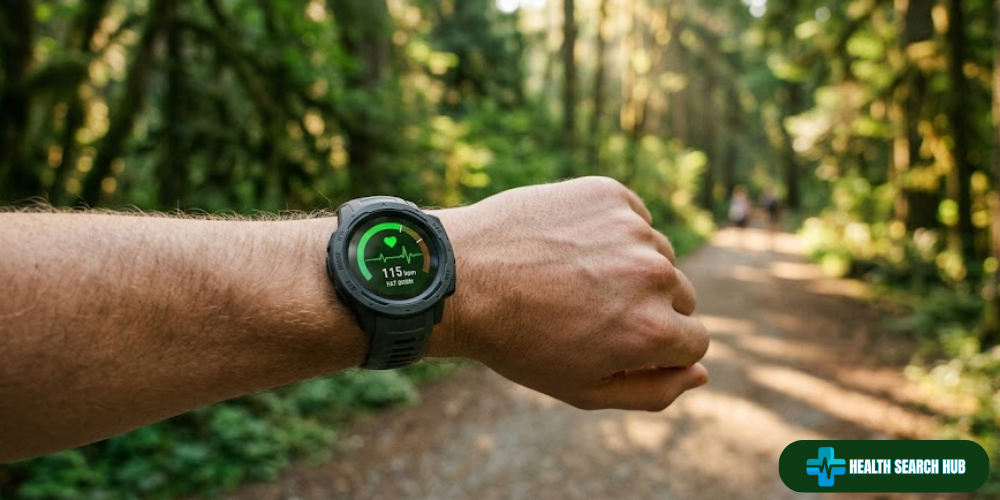
What is your ideal zone 2 cardio heart rate, and why is this style of training taking over the fitness world in 2026? If you have spent years pushing through intense workouts only to feel drained and sore, you are not alone. A growing body of research now shows that slower, steady aerobic exercise done at the right heart rate can deliver better fat burning, stronger heart health, and lasting energy than many high-intensity interval training HIIT sessions. Zone 2 cardio is the most talked-about fitness concept of the year, and the science behind it explains why.
What Is Zone 2 Cardio and How Is It Different From Other Workouts?
Zone 2 cardio is a form of aerobic exercise performed at a moderate intensity, typically between 60 and 70 percent of your maximum heart rate. At this level, your body relies on fat as its primary fuel source rather than stored sugar. You should be able to hold a full conversation while exercising, which is why many trainers use the talk test as the simplest way to check if you are in the right zone.
Unlike high-intensity workouts that spike your heart rate and burn mostly glucose, zone 2 training keeps you in a range where your aerobic base builds over time. This approach improves how your body uses energy sources at rest and during movement, which is why experts consider it a foundation for long-term fitness and metabolic health.
How Do You Find Your Zone 2 Heart Rate?
The most common method is to subtract your age from 220 to estimate your max heart rate, then multiply by 0.60 and 0.70 to find your zone 2 range. For example, a 40-year-old would have a max heart rate of 180 beats per minute, putting their zone 2 heart rate between 108 and 126 beats per minute.
📊 How to Calculate Your Zone 2 Range
Step 1: Subtract your age from 220 to find your estimated maximum heart rate.
Step 2: Multiply your max heart rate by 0.60 to find the low end of your zone 2 range.
Step 3: Multiply your max heart rate by 0.70 to find the high end of your zone 2 range.
The talk test: If you can hold a conversation but not sing, you are likely in zone 2. If you are breathing too hard to speak in full sentences, slow down.
Heart rate monitoring makes this easy to track. A chest strap or wrist-based monitor can show your live heart rate during any activity, whether you are walking, cycling, swimming, or using a machine. The key is staying in the 60 to 70 percent range throughout the session. If your heart rate climbs too high, slow down. If it drops too low, pick up the pace a bit.
It is worth noting that the 220 minus age formula is an estimate. Factors like fitness level, medications, and genetics can shift your actual zones. For a more precise reading, a lab-based test can measure your true limits. But for most people, the simple formula paired with the talk test gives a solid starting point.
Why Is Zone 2 Cardio Trending in 2026?
Zone 2 training has gained attention from health researchers, sports scientists, and popular podcasts, which have noted its role in disease prevention and daily energy. Cleveland Clinic notes that fairly mild zone 2 cardio delivers real health and fitness gains, including better fat burning, improved heart health, and greater stamina with less injury risk.
Social media has also fueled the trend. Fitness creators sharing their zone 2 heart rate data and fat loss results have made the concept easy to grasp for millions who had never heard of heart rate zones before.
What Does Zone 2 Cardio Actually Do for Your Body?
At the cellular level, zone 2 cardio improves mitochondrial energy production. Mitochondria are the tiny structures inside your cells that convert nutrients into fuel. Research shows that consistent zone 2 training increases the number and function of these structures, helping your body burn fat more effectively during exercise and at rest.
Zone 2 training also supports heart health by lowering resting heart rate, reducing blood pressure, and expanding the network of tiny vessels that deliver oxygen to your muscles. Over time, this builds a stronger cardiovascular system that handles daily stress and hard exercise with greater ease.
For weight loss, zone 2 cardio burns a higher proportion of calories from fat than harder workouts. But total calorie burn per session is lower than with vigorous exercise, so combining zone 2 with some moderate- or high-intensity sessions creates a more complete approach.
What Are the Most Common Mistakes With Zone 2 Training?
The biggest mistake is going too hard. Many people think they are in zone 2 when they are actually closer to zone 3 or 4, which shifts fuel use away from fat and toward sugar. Using heart rate monitoring during every session helps keep you honest. If you cannot speak in full sentences, you are likely above zone 2.
Another common error is skipping zone 2 in favor of only high-intensity workouts. While HIIT has its perks, relying on it alone can lead to burnout, excess strain, and a weak aerobic base. Building a strong zone 2 base first gives your body the stamina to handle harder sessions when needed.
Some people also expect fast results. Zone 2 changes happen over weeks and months, not days. The shifts occur at a cellular level, in your mitochondria, blood vessels, and metabolic pathways. Trust the process and track your progress through resting heart rate, energy levels, and how you feel during daily tasks rather than expecting big changes on the scale.
How Should You Start a Zone 2 Cardio Routine?
Begin with three sessions per week, each lasting 30 to 45 minutes. Walking, cycling, and swimming are ideal starting points because they make it easy to control your pace and stay in the right heart rate range. As your fitness level improves, you can add a fourth session or extend the time to 60 minutes.
🎯 Start With 3 Sessions Per Week
Aim for 30 to 45 minutes of walking, cycling, or swimming per session. Stay in your 60 to 70 percent heart rate range throughout. As your fitness improves, add a fourth session or extend the time to 60 minutes.
💨 Pair Zone 2 With Higher-Intensity Days
The American Heart Association recommends at least 150 minutes of moderate-intensity aerobic exercise per week. Zone 2 cardio fits this target well. Add one or two higher-intensity sessions per week to cover all your fitness bases.
📈 Track Your Heart Rate and Watch Your Progress
Monitor your zone 2 heart rate each session and notice how your body adapts. Over four to eight weeks, you should find that the same pace results in a lower heart rate, a clear sign that your aerobic base is growing stronger.
✨ A Foundation That Supports Everything Else
Zone 2 cardio is not a passing trend. It is backed by decades of exercise science and supported by the latest research into metabolic health, fat burning, and longevity. The beauty of this approach is that it meets you where you are. Whether you are a beginner or a seasoned athlete, training at the right heart rate zone builds a foundation that supports every other aspect of your fitness. The best part is that it does not require suffering. It just requires showing up, staying in your zone, and letting your body do what it was designed to do.

Sources
- Cleveland Clinic: Zone 2 Cardio
- American Heart Association: Target Heart Rates
- Sports Medicine: Zone 2 Training Review (2025)