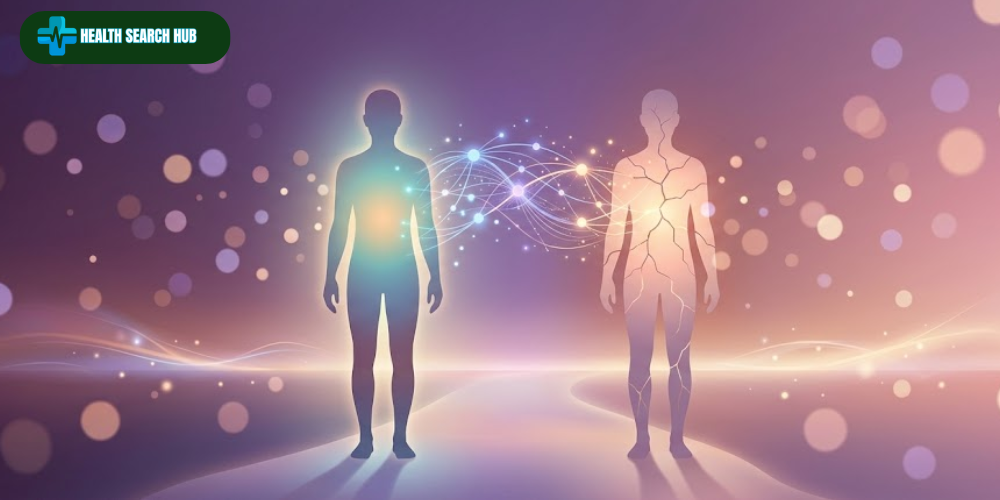
What is the real difference between mental illness vs mental health? Many people use these two terms as if they mean the same thing, but they describe very different parts of how your mind works. Mental health is something every person has, just like physical health. Mental illness refers to a diagnosed mental health condition that changes how a person thinks, feels, or acts. Knowing the distinction between mental health and mental illness is essential to your overall well-being.
What Is Mental Health?
Mental health encompasses your emotional, psychological, and social well-being. It shapes how you handle stress, relate to others, and make choices. Everyone has mental health, and it shifts over time based on life events, work demands, and physical and mental factors.
Good mental health does not mean you feel happy all the time. It means you can manage hard times, keep up with daily life, and hold on to the bonds that matter to you. Just as your physical health moves between strong and weak depending on your habits, your mental health exists on a spectrum that changes throughout your life.
What Is Mental Illness?
A mental illness is a diagnosed condition that greatly disrupts how a person thinks, feels, acts, or handles daily life. Examples include depression, bipolar disorder, anxiety disorder, post-traumatic stress disorder, and obsessive-compulsive disorder. The National Alliance on Mental Illness notes that about one in five U.S. adults lives with a mental disorder in any given year.
A mental illness typically involves clear symptoms that meet clinical criteria, and often requires treatment such as therapy, medication, or both. Mental illness is not a personal failure. It is a condition rooted in biology, life events, and the world around you.
How Are Mental Health and Mental Illness Connected?
The link between mental health and mental illness is more layered than most people realize. Experts now describe this link using what is known as the dual continua model.
🧠 The Dual Continua Model
This framework, developed by researcher Corey Keyes, proposes that mental health and mental illness lie on separate continuums rather than at the ends of one continuum. A person with a diagnosed mental health condition can still experience periods of good mental health, feeling engaged, connected, and able to function well. At the same time, a person with no mental disorder can still struggle with low mental health, marked by lasting stress, burnout, or emotional exhaustion.
A 2026 study in Nature backed this model with data, showing that mental illness, mental health, and mental well-being are three related but separate dimensions. This finding shows that everyone benefits from paying attention to their mental health, not just those with a clinical diagnosis.

Why Does This Distinction Matter?
Confusing mental health with mental illness creates real problems. When people treat the two as the same, those without a diagnosis may see no reason to care for their mental well-being. They may dismiss indicators like persistent fatigue, irritability, difficulty concentrating, or withdrawal from relationships.
At the same time, equating mental health with simply the absence of mental illness can leave people with a diagnosed condition feeling like recovery is out of reach. In truth, many people living with a mental health condition lead rich, full lives with the right support.
This distinction also matters for how we talk about mental health as a culture. Framing mental health as something universal, not limited to those with a diagnosis, pushes more people to seek help before issues escalate. It cuts stigma and opens the door to preventive steps that help everyone.
How Can You Support Your Mental Health Every Day?
Supporting your mental health does not require a diagnosis or a therapist, though professional help is wise when needed. Small, steady actions can make a big difference.
🤝 Stay Connected
Stay connected to people who matter to you. Social isolation is one of the strongest signs of declining mental well-being. Meaningful relationships provide emotional support and a sense of belonging that protects your mental health over time.
🏃 Prioritize Physical Health
Prioritize physical health through regular movement, good sleep, and balanced nutrition, because physical and mental health are deeply connected. Even short daily walks or consistent sleep routines can have a measurable impact on your mood and resilience.
🧘 Build Healthy Boundaries
Set limits around work and screen time. Try stress-relief habits like deep breathing, journaling, or outdoor activities. Creating space for rest and reflection helps your mind recover from the demands of daily life.
✨ A Better Way to Think About Your Mind
The talk around mental illness vs mental health is moving in a good direction. Rather than treating mental health as relevant only when things go wrong, the newer view holds that mental health is a steady part of life that everyone can and should actively maintain. Just as you invest in your physical health through diet, exercise, and regular checkups, your mental well-being calls for the same steady, ongoing attention.
Sources
- Nature (npj Mental Health Research): Mental Illness, Mental Health, and Wellbeing as Independent Dimensions
- National Alliance on Mental Illness (NAMI): Types of Mental Health Conditions
- McLean Hospital (Harvard Medical School): Mental Health vs Mental Illness