What are the best sleep hygiene tips, and do they really make a difference? If you have ever spent the night staring at the ceiling, unable to fall asleep despite feeling tired, you are not alone. Millions of Americans toss and turn each night, struggling with poor rest that affects their energy, focus, and mental health. The good news is that small changes to your daily habits and sleeping environment can lead to real improvements in sleep quality.
What Is Sleep Hygiene and Why Does It Matter?
Sleep hygiene refers to the habits and conditions that help you get quality sleep regularly. Good sleep hygiene is not about one single trick. It is a mix of daily choices that support your natural circadian rhythm, the internal clock that controls when you feel awake and when you feel sleepy.
When your circadian rhythm is steady, falling asleep becomes easier. When it is disrupted by late nights, screen time, or shifting schedules, sleep problems tend to follow.
Build a Consistent Sleep Schedule
⏰ Consistent Timing
One of the most effective sleep hygiene tips is keeping a consistent sleep schedule. Go to bed and wake up at the same time every day, including weekends. This trains your body to expect sleep at a set time, making it easier to fall asleep and wake up feeling rested.
A 2025 systematic review in Sleep Medicine Reviews found that irregular sleep patterns were associated with poorer mental health, reduced focus, and worse overall health. Even a small shift in your wake-up time can throw off your rhythm.
Control Your Sleeping Environment
🌡 Temperature and Comfort
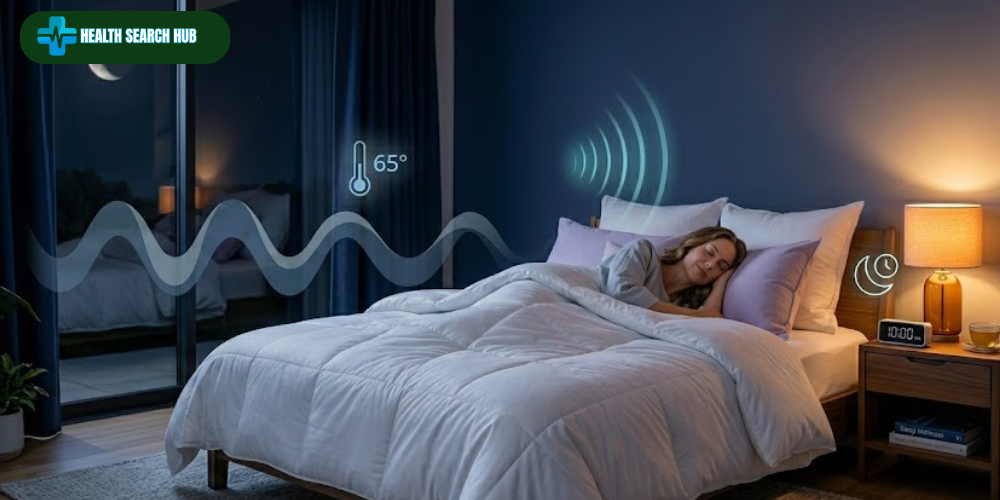
Your bedroom should be cool, dark, and quiet. Research from the Sleep Foundation recommends a bedroom temperature between 60 and 67 degrees for most adults. A room that is too warm can disrupt sleep and cause you to wake up during the night.
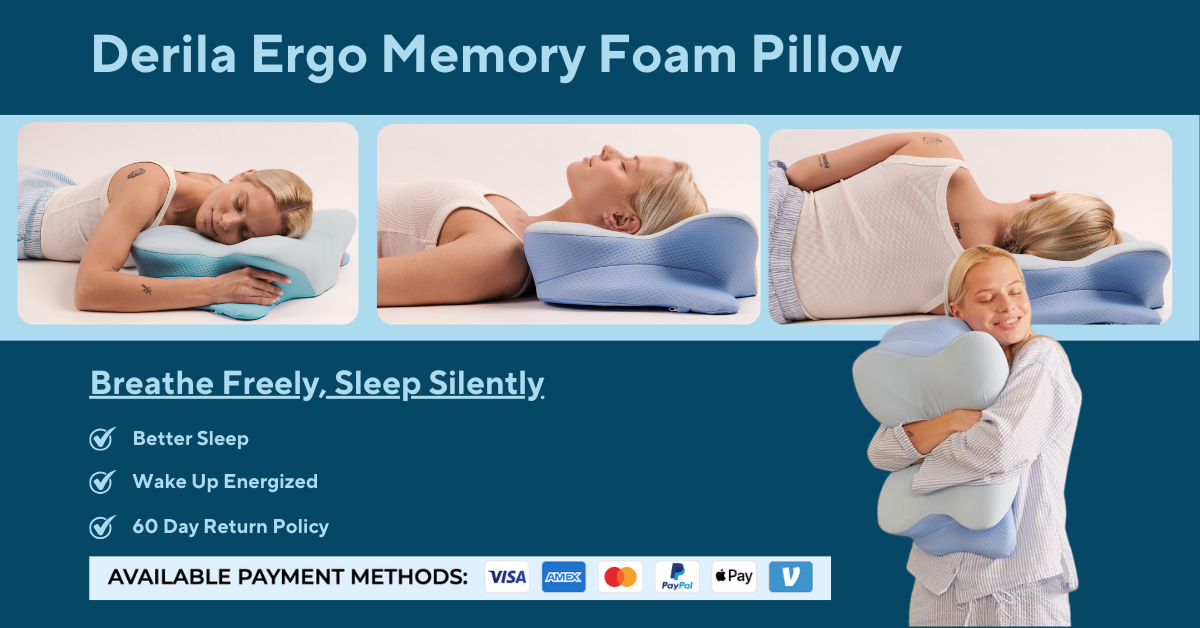
Block out light with dark curtains or a sleep mask. Even small bits of light can signal your brain to stay alert. If outside noise is a problem, try white noise from a fan or sound machine to create a steady background. Your mattress and pillows also matter. If you wake up with aches or toss and turn through the night, it may be time to look at what you are sleeping on. A good sleep surface helps you get settled faster.
Manage Light Exposure in the Hours Before Bedtime
📱 Screen Time and Blue Light
Light is one of the strongest signals your brain uses to regulate your circadian rhythm. Bright natural light in the morning helps your body wake up and sets the stage for better sleep later. In the evening, limit exposure to blue light from phones, tablets, and computers in the hours before bedtime.
Blue light tricks your brain into thinking it is still daytime, which delays the release of melatonin, the sleep hormone. Try putting screens away at least one hour before bed. Instead of scrolling, consider reading a book, stretching, or listening to calming music.
Create a Pre-Sleep Routine That Works for You
🛁 Wind-Down Habits
A calming routine before bed tells your body that sleep is on the way. This might include taking a warm bath, doing light stretches, or practicing deep breathing. Repeat the routine each night so your brain begins to associate these actions with sleep.
Avoid heavy meals, caffeine, and alcohol close to bedtime. Caffeine can stay active in your system for six or more hours, so cutting it off by early afternoon is a smart sleep habit. Alcohol may help you feel drowsy at first, but it often leads to lighter, broken rest later in the night.
What the Science Supports and Where Gaps Remain
The core sleep hygiene tips above are well supported by research from the CDC, the Sleep Foundation, and Harvard Health. Maintaining a regular schedule, managing light, controlling your sleeping environment, and building a pre-sleep routine are all backed by strong evidence.
However, a 2024 review in Sleep Medicine Reviews noted that the term sleep hygiene is used inconsistently across studies, making it difficult to compare results. Some details, like the exact ideal bedroom temperature or the best time to stop eating, still show variation in the research. The broad habits matter most, and fine-tuning the details to fit your life is part of the process.
For people with ongoing sleep problems that do not improve with these changes, it is worth talking to a doctor. Conditions like insomnia or sleep apnea may need more targeted care beyond sleep hygiene alone.
✨ Small Changes, Real Results
Better sleep does not require a total overhaul. By building a few consistent habits, controlling your sleeping environment, managing light exposure, and creating a calming routine, you give your body the best chance to get the quality sleep it needs. These are changes you can start tonight, and the benefits build over time as your body settles into a healthier rhythm.
Sources
- Sleep Foundation: Mastering Sleep Hygiene: Your Path to Quality Sleep
- CDC: Sleep and Sleep Disorders
- Harvard Health: Sleep Hygiene: Simple Practices for Better Rest