
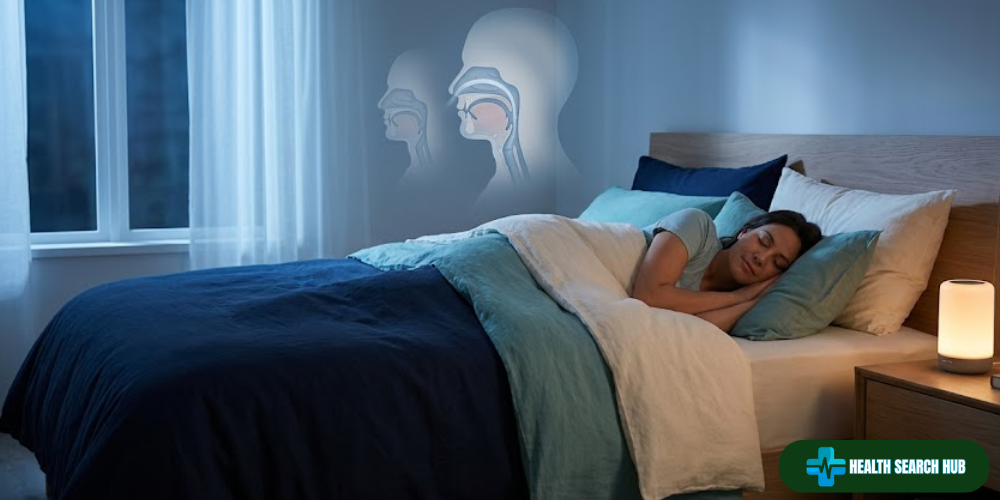
If you or someone you love has been searching for how to treat sleep apnea without CPAP, you are part of a growing movement. Millions of people diagnosed with obstructive sleep apnea struggle with their CPAP machine delivering constant air pressure that feels uncomfortable, claustrophobic, or just impossible to sleep through, and nearly half abandon the device within the first year. The encouraging reality is that 2026 has brought more legitimate, science-backed sleep apnea treatments than ever before, and many of them work just as well, or even better, for the right candidates.
This guide covers every credible alternative to CPAP available right now, from FDA-approved nerve stimulation implants to breakthrough GLP-1 medications, oral appliances, surgical options, and lifestyle changes that genuinely reduce airway collapse during sleep. Whether you have mild, moderate, or severe obstructive sleep apnea, there is a path forward that does not require strapping a mask to your face every night.
Understanding Why CPAP Fails So Many People
Continuous positive airway pressure CPAP is the most widely prescribed treatment for OSA, and for good reason. A CPAP machine delivers a steady stream of air pressure through a mask to keep the upper airway open during sleep. When used properly, it is highly effective at preventing the repeated airway collapse that defines obstructive sleep apnea.
But effectiveness on paper does not equal effectiveness in practice. Studies consistently show that 30 to 50 percent of CPAP users stop using their machines within the first year. The complaints are familiar:
- Mask discomfort. Pressure marks, skin irritation, and difficulty finding a mask that fits properly without air leaks.
- Dry mouth and nasal congestion. The constant flow of air pressure dries out the airways, causing discomfort and morning headaches.
- Noise and hose tangles. The machine’s hum and the tethered hose restrict movement and disturb both the user and their sleep partner.
- Claustrophobia and exhaling difficulty. Many patients feel trapped by the mask and struggle to exhale against incoming pressure.
- Travel inconvenience. Carrying, cleaning, and maintaining CPAP equipment adds daily burden and makes travel more complicated.
If you have tried CPAP and it did not work for you, that does not mean your sleep apnea cannot be treated. It means you need to work with your doctor to explore the full range of treatment options available today.
Nerve Stimulation Implants: Inspire and Genio
One of the most significant advances in treating obstructive sleep apnea without CPAP is hypoglossal nerve stimulation, a technology that keeps the airway open by gently activating the tongue muscles during sleep.
The Inspire Implant
The Inspire system, approved by the FDA in 2014, is the most established implantable alternative to CPAP. It has been implanted in more than 60,000 patients worldwide and has over a decade of published clinical evidence.
The device consists of a small pulse generator implanted in the chest, a breathing sensor, and a stimulation lead connected to the hypoglossal nerve. When the sensor detects that you are breathing in, it sends a mild electrical signal that moves the tongue forward, preventing it from blocking the upper airway. Patients turn the device on with a handheld remote before bed.
Real-world data show that Inspire reduces breathing disruptions by roughly 50-57 percent, with patients using the device approximately 5.5-6 hours per night on about 90 percent of nights. The latest generation, Inspire V, launched in May 2025 with a smaller profile and longer battery life.
Inspire is recommended for adults with moderate to severe obstructive sleep apnea who have an AHI between 15 and 65, a BMI under 40, and who have failed or cannot tolerate CPAP therapy. Candidacy requires a sleep study and a drug-induced sleep endoscopy to rule out concentric airway collapse.
The Genio System
The Genio system by Nyxoah received FDA approval in August 2025 and represents a meaningful step forward in implantable nerve stimulation. Unlike Inspire, Genio features a battery-free, leadless design. A small neurostimulator chip is implanted under the chin through a single incision and powered wirelessly by a lightweight external patch worn on the neck during sleep.
This external activator connects to a smartphone app that allows patients to adjust comfort settings and monitor their sleep quality. Because Genio has no implanted battery, it eliminates the need for battery replacement surgery and is compatible with both 1.5T and 3T MRI scans.
At 12 months, clinical trials showed a median AHI reduction of 70.8 percent, with strong results in both supine and non-supine positions. Effective January 2026, Medicare outpatient hospital reimbursement for the Genio procedure rose to $45,000, reflecting growing confidence in this technology.
Genio is approved for adults with moderate to severe OSA (AHI between 15 and 65) who cannot tolerate or have failed continuous positive airway pressure CPAP or bilevel positive airway pressure (BiPAP) therapy.
| Feature | Inspire | Genio |
|---|---|---|
| FDA Approval | 2014 | August 2025 |
| Design | Chest-implanted pulse generator with battery | Battery-free chip implanted under chin |
| Power Source | Internal battery (requires replacement) | External wireless patch (no battery surgery) |
| AHI Reduction | 50–57% | 70.8% (median at 12 months) |
| MRI Compatible | Conditional | Full 1.5T and 3T |
| Patients Treated | 60,000+ worldwide | Newly available (2025–2026) |
| Medicare Reimbursement | Established | $45,000 (effective Jan 2026) |
GLP-1 Medications: A New Pharmaceutical Approach
Perhaps the most surprising development in sleep apnea treatments has come from the world of weight loss medications. In December 2024, the FDA approved Zepbound (tirzepatide) as the first-ever prescription drug for moderate to severe obstructive sleep apnea in adults with obesity.
Zepbound is an injectable GLP-1 receptor agonist that targets appetite-regulating hormones to promote significant weight loss. In the landmark SURMOUNT-OSA trials published in the New England Journal of Medicine, participants experienced reductions in AHI of 25 to 29 events per hour compared with placebo. Up to 50% of participants achieved sleep apnea remission or a reduction to mild severity after 1 year.
The connection between excess weight and sleep apnea is well established. Excess weight increases tissue mass around the upper airway, increasing the likelihood of airway collapse during sleep. By helping patients lose substantial weight, GLP-1 medications directly address one of the root causes of obstructive sleep apnea rather than simply managing symptoms.
Data from early 2025 shows that patients receiving tirzepatide initiated CPAP therapy 83 percent less often than untreated patients. However, GLP-1 medications are not a standalone solution for everyone. They are most effective when obstructive sleep apnea is closely linked to obesity; they require ongoing use, and they work best alongside a reduced-calorie diet and regular physical activity.
Oral Appliances: The Leading Non-Invasive Alternative
For people with mild to moderate obstructive sleep apnea, oral appliances are among the most practical and well-studied alternatives. These custom-fitted dental devices, most commonly mandibular advancement devices, work by repositioning the lower jaw slightly forward during sleep. This forward movement opens space behind the tongue and soft palate, preventing airway collapse that can cause breathing disruptions.
Oral appliances are recognized by the American Academy of Sleep Medicine as a first-line treatment for OSA in patients with mild to moderate severity, and as a viable alternative to CPAP for patients with severe OSA who cannot tolerate mask-based therapy. Clinical studies report a 65-75% success rate for mild to moderate cases.
While oral appliances may not reduce AHI as sharply as CPAP, head-to-head comparisons consistently show equivalent improvements in daytime sleepiness, blood pressure, cognitive function, and sleep quality. The reason is straightforward: patients are far more likely to use an oral appliance every night than they are a CPAP machine, and consistent use drives real-world outcomes.
These devices must be custom-fitted by a dentist trained in dental sleep medicine. Side effects can include temporary jaw soreness, changes in bite alignment, and TMJ discomfort. A follow-up sleep study is recommended to confirm that the appliance is effectively maintaining airway patency.
Surgical Options for Sleep Apnea
When non-invasive treatments are insufficient or when anatomy is a primary contributor to obstruction, surgery can be a highly effective alternative to CPAP.
Maxillomandibular Advancement (MMA)
Maxillomandibular advancement is one of the most effective surgical sleep apnea treatments. The procedure moves both the upper and lower jaws forward, structurally enlarging the upper airway and reducing the likelihood of collapse during sleep.
A 2025 meta-analysis found that MMA achieves a mean AHI reduction of 79.5 percent, with an overall surgical success rate of approximately 85 percent in well-selected patients. Maxillomandibular advancement is typically reserved for patients with moderate to severe OSA who have not responded to other treatments or who have identifiable skeletal anatomy contributing to their obstruction.
Bariatric Surgery
For patients whose obstructive sleep apnea is primarily driven by obesity, bariatric surgery offers a dual benefit: significant long-term weight loss and meaningful reduction in sleep apnea severity. Research shows a 60-65% OSA remission rate following bariatric surgery, with substantial reductions in AHI and improvements in oxygen saturation during sleep.
A landmark 20-year follow-up study found that bariatric surgery was associated with a 32 percentage-point lower prevalence of OSA compared with usual care. Bariatric surgery is generally considered when BMI exceeds 35 with significant comorbidities or when BMI exceeds 40.
Other Surgical Procedures
Additional surgical options include uvulopalatopharyngoplasty (UPPP), which removes or repositions tissue in the soft palate and throat, and tongue base reduction procedures. These are most appropriate when a specific anatomical obstruction is identified and targeted. Success rates vary depending on patient selection and the site of airway obstruction.
Positional Therapy: A Simple Solution for Some
Research shows that 50 to 60 percent of sleep apnea patients experience significantly worse breathing disruptions when sleeping on their backs. For these individuals, positional therapy can be a remarkably effective treatment for OSA.
Modern positional therapy goes far beyond improvised solutions. FDA-cleared devices such as the Night Shift neck sensor and the Zzoma positional belt use accelerometers to detect when you roll onto your back and deliver gentle vibrations to encourage you to shift positions without waking fully.
Positional therapy is most effective for mild to moderate positional OSA and can be combined with oral appliances or other treatments to enhance effectiveness.
Lifestyle Changes That Genuinely Help
Lifestyle modifications alone are rarely sufficient to treat moderate or severe sleep apnea, but they are a critical complement to every treatment plan and can make a substantial difference for mild cases.
Weight Loss
The single most impactful lifestyle change. Even a 10-15% reduction in body weight can reduce AHI by up to 50% by decreasing excess weight pressing on the upper airway. Whether through diet, exercise, GLP-1 medications, or bariatric surgery, reducing body weight directly addresses the mechanical cause of airway collapse.
Avoiding Alcohol & Sedatives
Avoiding alcohol and sedatives before bed is critical. Both relax the muscles of the throat and tongue, making airway collapse significantly more likely during sleep. Aim to stop drinking at least 3-4 hours before bedtime.
Quit Smoking
Smoking increases inflammation and fluid retention in the upper airway, worsening obstruction. Quitting reduces airway swelling and improves overall respiratory function, contributing to better sleep quality.
Elevate & Stabilize Sleep
Elevating the head of the bed by 30 to 60 degrees helps keep the airway open by using gravity to your advantage. Maintaining consistent sleep schedules also improves overall sleep quality and reduces the frequency of apnea events.
Choosing the Right Treatment Based on Your Severity
The right alternative to CPAP depends on your type and severity of obstructive sleep apnea, your anatomy, your weight, and your preferences. Here is a practical framework:
| Severity | Recommended Treatment Options | Key Considerations |
|---|---|---|
| Mild OSA | Oral appliances, positional therapy, lifestyle modifications | Often manageable without a CPAP machine or surgery. First-line treatments are highly effective at this level. |
| Moderate OSA | Oral appliances, Inspire or Genio implant, GLP-1 medications | Best for CPAP-intolerant patients. Candidates with BMI under 40 may qualify for nerve stimulation implants. GLP-1 meds are compelling if carrying excess weight. |
| Severe OSA | Inspire or Genio, maxillomandibular advancement, GLP-1 meds, bariatric surgery | Combination approaches are often the most effective strategy. MMA achieves the highest surgical success rates. GLP-1 and bariatric surgery address the obesity component. |
In every case, an accurate diagnosis through a comprehensive sleep study is the essential first step. Ongoing monitoring ensures that whichever treatment you choose is actually keeping your airway open and improving your sleep quality.
The Bottom Line
Learning how to treat sleep apnea without CPAP used to mean settling for inferior options. That is no longer the case. From the proven Inspire implant and the innovative battery-free Genio system to FDA-approved GLP-1 medications, effective oral appliances, targeted surgeries like maxillomandibular advancement, and evidence-based lifestyle changes, 2026 offers a legitimate and diverse set of sleep apnea treatments for people who cannot or will not use a CPAP machine.
Untreated obstructive sleep apnea raises the risk of heart disease, stroke, high blood pressure, type 2 diabetes, depression, and dangerous daytime fatigue. The worst decision is no treatment at all. Talk to your doctor, complete a sleep study, and find the treatment for OSA that you will actually use every night.
Your Airway Open. Your Sleep Restored. Your Health Protected.
Do not let CPAP intolerance keep you from treating sleep apnea. With more effective alternatives available in 2026 than at any point in history, there is no reason to leave obstructive sleep apnea untreated. Start the conversation with your doctor today.
Sources & References
- Nyxoah. “Nyxoah Receives Approval from FDA for Genio System for the Treatment of Obstructive Sleep Apnea.” August 2025. nyxoah.gcs-web.com
- U.S. Food and Drug Administration. “FDA Approves First Medication for Obstructive Sleep Apnea.” December 2024. fda.gov
- Malhotra, A. et al. “Tirzepatide for the Treatment of Obstructive Sleep Apnea and Obesity.” New England Journal of Medicine, 2024. nejm.org
- American Academy of Sleep Medicine. “Zepbound Approved by FDA as First Sleep Apnea Medication.” 2024. aasm.org
- PubMed. “Maxillomandibular Advancement Safety and Effectiveness in Obstructive Sleep Apnea: Systematic Review and Meta-Analysis.” 2025. pubmed.ncbi.nlm.nih.gov
- PubMed. “Bariatric Surgery and Obstructive Sleep Apnea: A Systematic Review and Meta-Analysis.” 2023. pubmed.ncbi.nlm.nih.gov
- Wiley Online Library. “Obstructive Sleep Apnea Following Bariatric Surgery: 20-Year Outcomes From the Swedish Obese Subjects Study.” 2025. onlinelibrary.wiley.com
- American Academy of Sleep Medicine. “Technological Advances in Mandibular Advancement Devices.” 2025. aasm.org
- Inspire Sleep. “Inspire Therapy for Sleep Apnea.” inspiresleep.com
- Komodo Health. “FDA’s First GLP-1 Approval for Sleep Apnea May Reduce Reliance on CPAP.” 2025. komodohealth.com
- PubMed Central. “Positional Therapy for Obstructive Sleep Apnoea.” pmc.ncbi.nlm.nih.gov
- American Academy of Sleep Medicine. “Nyxoah Receives FDA Approval for Genio System.” 2025. aasm.org
The content published on HealthSearchHub.com is intended for informational and educational purposes only. It is not a substitute for professional medical advice, diagnosis, or treatment. Always seek guidance from a qualified healthcare provider for any questions you may have about a medical condition, treatment plan, or medication. Never disregard professional medical advice or delay seeking it because of something you have read on this website. HealthSearchHub.com does not recommend or endorse any specific tests, physicians, products, procedures, or opinions mentioned on the site. Reliance on any information provided by HealthSearchHub.com is solely at your own risk.