
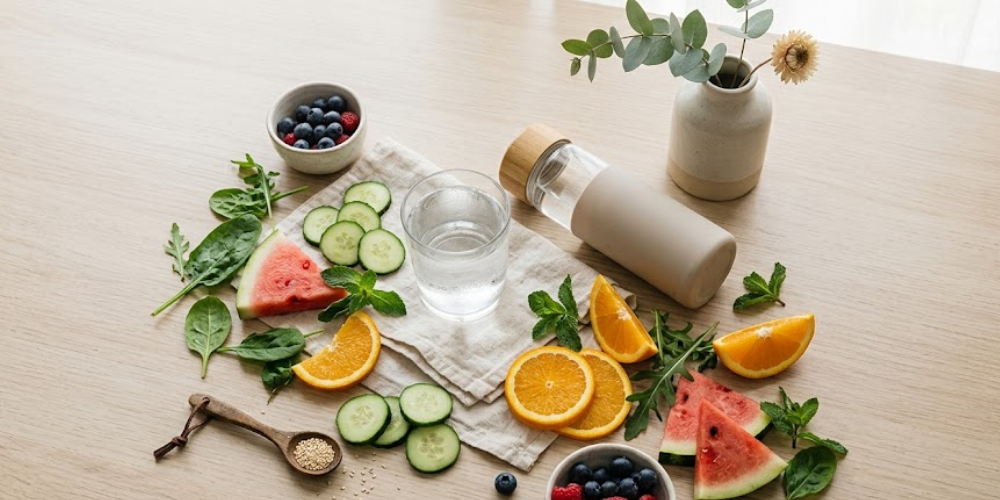
How much water are you supposed to drink everyday? If your first thought was eight glasses, you are not alone. That number has been repeated so often that most people treat it as a medical fact. But the truth is not that simple. Your daily water intake depends on your body weight, activity level, climate, diet, and overall health. In 2026, researchers and doctors are pushing back on outdated advice and pushing for a more personal approach to staying hydrated.
Where Did the 8 Glasses a Day Rule Come From?
The idea of drinking eight glasses of water a day traces back to a 1945 recommendation from the U.S. Food and Nutrition Board. That guidance suggested about 2.5 liters of water daily, but it also noted that most of this water could come from food. Over the decades, the second part was forgotten, and the simplified version stuck. A review published in the American Journal of Physiology found no scientific evidence to support the 8 glasses rule as a universal standard. Despite that, it remains one of the most widely repeated health tips in popular culture.

How Much Water Do You Actually Need Each Day?
The National Academy of Medicine provides the most current guidelines for daily fluid intake. For adult men, the adequate intake is about 3.7 liters of total water per day, including all drinks and foods. For adult women, the figure is about 2.7 liters, or roughly 11.5 cups, from all sources. These amounts of water include what you get from fruits and vegetables, soups, coffee, tea, and other drinks, not just plain water from a water bottle.
It is worth noting that 3.7 liters and 11.5 cups are general benchmarks, not strict targets. Some people need more, and some need less. These numbers are meant to guide, not to stress you out. The goal is to drink enough to keep your body running well, not to hit a perfect number every single day.
What Factors Affect How Much Water You Are Supposed to Drink Every Day?
Several factors shift your daily water intake up or down. If you are physically active, you lose more fluid through sweat and need to replace it. A moderate workout might add one to two extra cups, while intense or prolonged exercise in hot weather can require significantly more.
Climate plays a major role. Hot, humid conditions increase sweat loss, which can lead to dehydration faster than you might expect. Altitude also affects hydration, as your body loses more water through breathing at higher elevations.
📋 Key Factors That Change Your Water Needs
Activity level: More sweat means more fluid to replace. Add one to two cups for moderate workouts and more for intense sessions.
Climate and altitude: Hot, humid weather and higher elevations both increase water loss through sweat and breathing.
Diet: Water-rich foods like melons, cucumbers, and oranges add fluid. High-sodium diets increase your need for water to help flush excess sodium levels.
Health conditions: Kidney disease, heart failure, diabetes, pregnancy, and breastfeeding all shift fluid needs. Older adults may have a weaker thirst response.
Does It Have to Be Plain Water?
No. Your body does not distinguish between water from a glass and water from other sources. Coffee, tea, milk, sparkling water, and fruit juices all count toward your daily fluid intake. Even foods with high water content contribute. A 2023 review from the University of Rochester Medical Center confirmed that beverages like coffee and tea, despite containing caffeine, still add to your overall hydration when consumed in normal amounts.
The key is to be steady. Sipping throughout the day from a water bottle or other drinks helps your body keep a good fluid balance. You do not need to drink large amounts of water all at once to stay hydrated. In fact, your body absorbs water better when you take it in small amounts over time rather than in large gulps.
What Happens If You Do Not Drink Enough Water?
Even mild dehydration can affect how you feel and perform. Early signs include headaches, fatigue, dry mouth, and trouble focusing. Over time, chronic low water intake has been linked to a higher risk of kidney stones, urinary tract infections, and reduced kidney function.
A 2024 study published in SAGE Journals found that consistently low daily water intake may contribute to long-term health issues, including metabolic and heart health concerns. The researchers emphasized that many adults in the U.S. fall short of the recommended daily fluid intake without realizing it, because they do not feel thirsty until dehydration has already set in.
Can You Drink Too Much Water?
Yes. Drinking too much water in a short period can lead to a condition called hyponatremia, where sodium levels in the blood drop dangerously low. This happens because excess water dilutes the sodium your body needs to function properly. Symptoms include nausea, headaches, confusion, and in severe cases, seizures.
Water intoxication is rare in everyday life, but it has occurred during water-drinking contests and extreme endurance events where people consumed several liters of water per hour. The Cleveland Clinic notes that healthy kidneys can process about one liter of fluid per hour, so spreading your intake across the day is both safer and more effective.
The takeaway is simple. Stay hydrated, but do not force large amounts of water beyond what your body signals it needs.
How Can You Build Better Hydration Habits?
Building good hydration habits does not require a strict schedule or a complicated plan.
💧 Keep Water Close
Start by keeping a water bottle with you during the day so you can sip regularly. If you struggle to drink plain water, try adding a slice of lemon or switching to sparkling water for variety.
🏃 Match Intake to Activity
If you are physically active, drink before, during, and after your workout. In hot weather, increase your intake even if you do not feel thirsty. When you are sick with a fever, vomiting, or diarrhea, your fluid needs rise sharply.
🟡 Use the Urine Color Test
Aim for a pale straw color throughout the day. If it is dark regularly, you likely need to drink more. If it is always clear, you may be taking in more than your body needs. Most people find that once they build the habit of sipping water throughout the day, it becomes second nature within a week or two.
✨ Your Hydration, Your Way
The question of how much water you should drink every day does not have a single answer, and that is actually good news. It means you can tailor your hydration to your own body, routine, and needs rather than chasing an arbitrary number. The science is clear that staying hydrated supports everything from brain function to kidney health to daily energy. By paying attention to your body’s signals, eating water-rich foods, and sipping steadily throughout the day, you can stay hydrated without overthinking it.
Sources
- Mayo Clinic: Water: How Much Should You Drink Every Day?
- Harvard T.H. Chan School of Public Health: How Much Water Do You Need?
- Cleveland Clinic: Water Intoxication: Toxicity, Symptoms and Treatment