
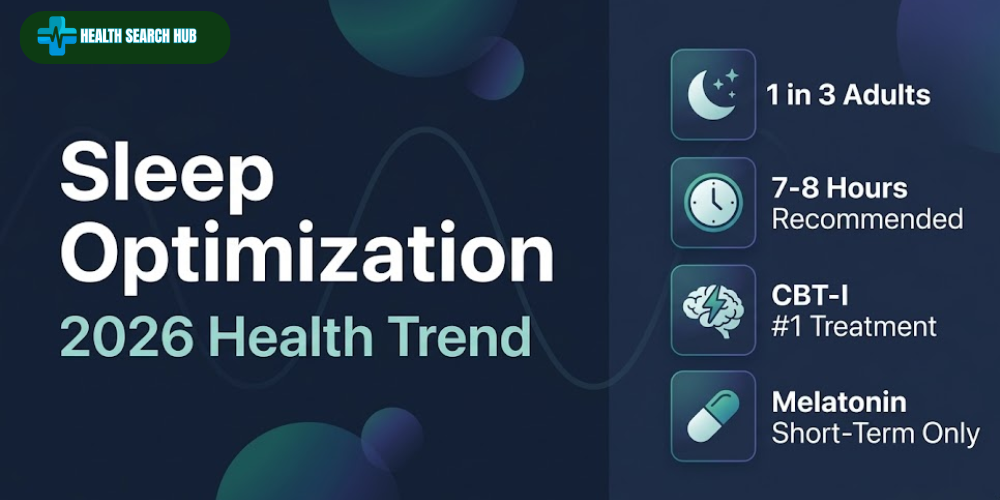
Sleep optimization has become the defining wellness movement of 2026, and for good reason. The Centers for Disease Control and Prevention reports that more than one in three American adults is not getting enough sleep on a regular basis. Poor sleep is no longer viewed as a minor inconvenience. It is now recognized as a serious public health concern linked to obesity, heart disease, type 2 diabetes, depression, and shortened lifespan. With that growing awareness, millions of people are actively searching for things to help you sleep better, longer, and more consistently.
Unlike past wellness trends that focused on quick fixes, the current movement is grounded in science and centered on sustainable habits. Whether you are dealing with occasional trouble sleeping or a long-term pattern of restless nights, the strategies gaining traction this year offer real, evidence-based solutions.
Why Sleep Problems Have Reached a Tipping Point
The modern world is not designed for good sleep. Screens flood our eyes with artificial light well past sunset, work schedules blur the line between productivity and rest, and stress levels remain persistently elevated. The result is that tens of millions of Americans struggle with sleep problems that affect their daily performance, mood, and health.
Behavioral Therapy: The Most Effective Starting Point
When most people think about things to help you sleep, they picture pills or supplements. But the most effective intervention recommended by sleep medicine specialists is actually cognitive behavioral therapy for insomnia, commonly known as CBT-I. This structured, short-term program helps people identify the thoughts, feelings, and behaviors that contribute to poor sleep and replace them with healthier patterns.
Unlike sleep aids that only work while you take them, behavioral therapy addresses the root causes of insomnia. Studies have shown that CBT-I produces results comparable to medication, with no side effects and fewer episodes of relapse. The improvements tend to continue long after treatment ends, making it the preferred first-line treatment for chronic sleep problems.
Natural Approaches That Actually Work
Beyond behavioral therapy, several natural sleep strategies have strong scientific support. Regular exercise is one of the most effective. Physical activity during the day helps regulate the sleep-wake cycle and promotes deeper, more restorative sleep at night. Even moderate activities like walking or yoga have been shown to significantly improve sleep quality.
Maintaining consistent sleeping habits is equally important. Going to bed and waking up at the same time every day, including weekends, reinforces the body’s natural circadian rhythm. Irregular sleep timing, even when total hours are sufficient, has been linked to poorer cardiovascular health.
Creating the right sleep environment also matters. A cool, dark, and quiet room signals the body that it is time to wind down. Reducing screen exposure in the hour before bed helps support natural sleep by allowing melatonin levels to rise naturally rather than being suppressed by blue light.
The Role of Melatonin Supplements and Other Sleep Aids
Melatonin supplements have become one of the most popular over-the-counter sleep aids in the United States. Melatonin is a hormone the body produces naturally to regulate the sleep-wake cycle, and supplemental forms can help people fall asleep faster, particularly when dealing with jet lag or shift work.
However, experts caution that melatonin supplements are best used as a short-term tool rather than a permanent solution. They do not address the underlying causes of most sleep problems, and their long-term effects are still being studied. Other natural sleep aids such as magnesium and L-theanine have also gained attention in early 2026.
For people with persistent trouble sleeping, it is important to consult a healthcare provider before relying on any sleep aids. Some supplements can interact with medications or produce unwanted side effects.
Building a Good Night’s Sleep Into Your Routine
The most meaningful things to help you sleep are not expensive devices or trending supplements. They are consistent, daily practices that align your body and mind for rest. A good night’s sleep starts with choices made throughout the entire day: getting morning sunlight, staying physically active, managing stress, avoiding caffeine in the afternoon, and establishing a calming pre-bed routine.
Sleep optimization in 2026 reflects a broader cultural shift toward treating rest as a pillar of health rather than a luxury. Prioritizing sleep quality is not indulgent. It is essential.
✨ Positive Takeaway
The rise of sleep optimization as a mainstream health priority is encouraging because it shifts the conversation from simply logging hours in bed to genuinely improving the quality of rest. With accessible tools ranging from behavioral therapy to simple lifestyle adjustments, a good night of sleep is within reach for most people. The best part is that the most effective strategies cost nothing at all: consistency, regular exercise, and mindful habits that support the body’s natural ability to rest and recover.
Sources
- CDC: Sleep Facts and Stats — Adults
- Mayo Clinic: Insomnia Treatment — Cognitive Behavioral Therapy
- Sleep Foundation: CBT-I Overview
- Hopkins Medicine: Natural Sleep Aids and Home Remedies