
Alzheimer’s disease remains one of the most devastating diagnoses a person can receive. Around the world, an estimated 55 million people live with dementia, with Alzheimer’s accounting for the majority of cases. Despite decades of research, there is still no cure, and developing new treatments from scratch can take 10 to 15 years and cost billions, with no guarantee of success. But a growing field known as Alzheimer’s drug repurposing is offering a faster, more practical path forward.
Now, a landmark study has identified three medicines already approved for other conditions that could play a significant role in preventing or slowing Alzheimer’s disease. Led by researchers at the University of Exeter and funded by Alzheimer’s Society, the study reviewed 80 existing drugs and convened an international panel of experts to determine which ones hold the most promise. Their findings, published in Alzheimer’s Research and Therapy in February 2026, point to three surprising candidates: the shingles vaccine, sildenafil (commonly known as Viagra), and riluzole.
What Is Drug Repurposing and Why Does It Matter?
Traditional drug development is a long and uncertain journey. A new compound must pass through years of laboratory testing, animal studies, and multiple phases of clinical trials before it can reach patients. The failure rate is staggering; by some estimates, more than 99 percent of experimental Alzheimer’s drugs have failed in clinical trials over the past two decades.
Alzheimer’s drug repurposing takes a different approach. Instead of starting from zero, researchers look at medications that are already approved, well understood, and proven safe for other conditions. If these existing drugs show signs of protecting brain health, they can potentially move into Alzheimer ’s-specific trials much faster and at a fraction of the cost. This approach does not replace the search for entirely new therapies, but it adds a practical, parallel track that could deliver results sooner to the millions of people who need them.
The Three Candidates
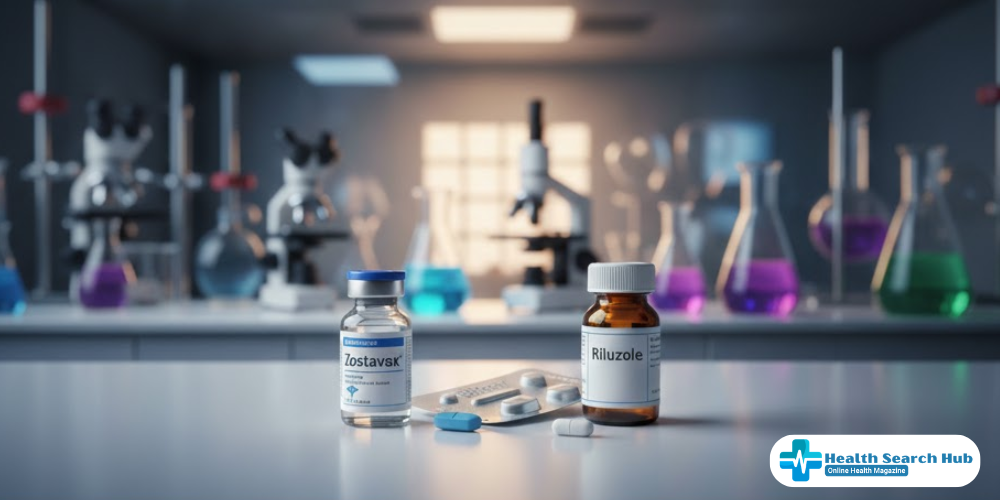
Shingles Vaccine (Zostavax) emerged as the most promising candidate in the study. Research has shown a link between the varicella-zoster virus, which causes shingles, and increased dementia risk. The virus may damage blood vessels in the brain and trigger inflammation that contributes to Alzheimer’s. Previous observational studies found that people who received the shingles vaccine were up to 20 percent less likely to develop dementia. A separate study published in Nature Medicine found that the recombinant shingles vaccine was associated with 164 additional days lived without a dementia diagnosis. The vaccine’s strong safety record and simple dosing schedule of just one or two shots make it especially attractive for large-scale trials.
Sildenafil (Viagra) was the second priority candidate. Originally developed for cardiovascular conditions and widely known for treating erectile dysfunction, sildenafil has shown unexpected neuroprotective properties in laboratory studies. Research in animal models demonstrated that the drug helped protect nerve cells, improve cognition, and reduce the buildup of tau protein, a hallmark protein linked to Alzheimer’s. Scientists believe the benefit may come from increased blood flow to the brain, which helps maintain healthy neural function.
Riluzole, currently used to treat motor neurone disease (ALS), rounded out the top three. In animal studies, riluzole improved cognitive function and reduced tau levels in the brain. The drug works by modulating glutamate, a neurotransmitter that, in excess, can damage brain cells. This mechanism makes it a logical candidate for Alzheimer’s research, where glutamate dysfunction is believed to play a contributing role in disease progression.
What the Research Found
The University of Exeter team used a rigorous process called a Delphi consensus to reach their conclusions. This method brings together experts from multiple disciplines who independently evaluate evidence and then converge on shared recommendations through structured rounds of review. Out of 80 drugs initially considered, the panel narrowed the field to these three based on strength of existing evidence, safety profiles, feasibility of clinical trials, and potential for meaningful impact on patients.
The researchers emphasized that, while the current evidence is promising, it primarily comes from observational studies and animal models. Observational data can reveal strong associations but cannot prove that a drug directly prevents Alzheimer’s. That is why the team’s primary recommendation is to move all three candidates into dedicated clinical trials as quickly as possible. The lead researchers have already expressed plans to pursue a large-scale trial of the shingles vaccine in the United Kingdom.
Why This Matters for Patients and Families
Dementia is the leading cause of death in the United Kingdom and a growing crisis worldwide. One in three people born today is projected to develop dementia in their lifetime. For patients and their families, the emotional and financial toll is immense. Any approach that can accelerate the path to effective prevention or treatment carries enormous significance.
The Alzheimer’s drug repurposing approach is especially meaningful because these medications already exist. They have known safety profiles, established manufacturing processes, and global distribution networks. If clinical trials confirm their effectiveness against Alzheimer’s, they could become available to patients far more quickly than an entirely new drug developed from scratch.
This study also fits into a broader shift in how the medical community thinks about Alzheimer’s treatment. Rather than focusing exclusively on removing amyloid plaques from the brain, a strategy that has had limited clinical success, researchers are increasingly exploring multiple pathways, including inflammation, vascular health, and immune system function. The three drugs identified in this study each target different aspects of brain health, reflecting this more comprehensive approach.
A Hopeful Direction for Alzheimer’s Research
The fight against Alzheimer’s disease has been marked by more setbacks than successes. For families affected by the condition, every promising development matters. This study does not claim to have found a cure, but it provides a clear, evidence-based roadmap for what to investigate next, using tools already within reach.
As clinical trials move forward, the hope is that at least one of these familiar medicines will prove effective in a new role, offering patients and families something that has been in short supply in Alzheimer’s research: real, tangible progress.
Positive Takeaway
The idea that medicines already sitting on pharmacy shelves could help prevent or slow Alzheimer’s disease is a powerful reminder that breakthroughs don’t always require starting from scratch. This research shows that by looking at familiar treatments through a new lens, scientists can open faster, safer pathways to hope for the millions of families affected by dementia worldwide.
Sources
- ScienceDaily: https://www.sciencedaily.com/releases/2026/02/260217005759.htm
- Alzheimer’s Society: https://www.alzheimers.org.uk/news/2025-11-18/promising-research-shingles-vaccine-treatment-alzheimers-disease
- Nature Medicine: https://www.nature.com/articles/s41591-024-03201-5
Disclaimer: This article is for informational purposes only and is based on publicly available research. It does not constitute medical advice. Always consult a qualified healthcare professional for medical guidance.