
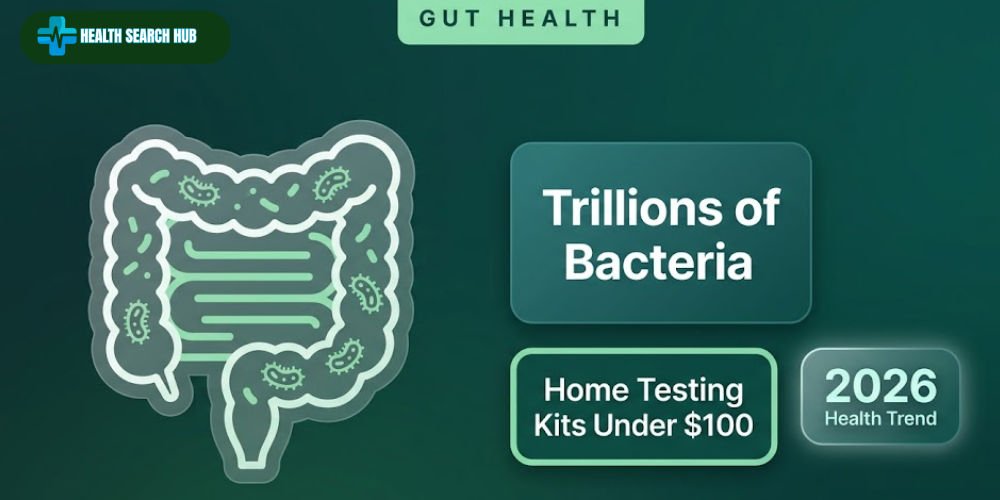
What is microbiome testing, and why are millions of Americans suddenly paying attention to the bacteria living in their gut? Over the past few years, a growing body of research has connected the digestive system to nearly every aspect of overall health, from immune function to mental clarity. Now, affordable home microbiome testing kits are making it possible for everyday consumers to analyze their own gut microbiota without ever visiting a clinic.
The result is a health trend that is reshaping how people think about digestion, disease prevention, and personalized nutrition in 2026.
Your Gut Is Home to Trillions of Organisms
The human gut is home to trillions of bacteria, fungi, viruses, and other microorganisms that collectively form the gut microbiome. These microbes live primarily in your gut, specifically in the large intestine, where they play essential roles in digestion, immune system regulation, vitamin production, and protection against harmful bacteria. Everything from digestion and immune defense to mood regulation depends in part on the organisms living in your gut.
A healthy gut depends on a balanced and diverse community of these organisms. When that balance is disrupted, a condition known as dysbiosis, it has been linked to conditions ranging from irritable bowel syndrome IBS to obesity, type 2 diabetes, and even anxiety and depression. Researchers have also found that microbiome composition varies significantly from person to person, which is why a one-size-fits-all approach to diet and supplements often falls short.
How Does a Microbiome Test Work?
A gut microbiome test analyzes the genetic material of the microorganisms in your digestive tract to identify which species are present and in what proportions. Most home gut microbiome tests follow a straightforward process. You collect a stool sample using a kit mailed to your home, send it back to a laboratory, and receive a detailed report within a few weeks.
The report typically compares your results to population averages and may offer dietary or lifestyle recommendations based on the findings. Some services also test for markers related to digestion, immune function, and inflammation, giving users a broader picture of how their gut may be affecting other areas of health.
This is the basic framework behind how a microbiome test works, though the depth and accuracy of results can vary significantly between providers.
Why Home Microbiome Testing Is Surging in Popularity
Several forces are driving the mainstream adoption of home microbiome testing. First, consumer awareness of gut health has exploded. Social media, podcasts, and mainstream health publications have spent years highlighting the gut-brain connection and the importance of a diverse microbiome. The public is more educated on this topic than ever before.
Second, the cost of microbiome testing kits has dropped considerably. What once required a clinical referral and hundreds of dollars can now be done at home for under $100. Companies have streamlined the process of home microbiome testing to the point where it is no more complicated than an at-home COVID test.
Third, the personalized health movement has created demand for data-driven wellness. People are no longer satisfied with generic dietary guidelines. They want to know what is specifically happening inside their bodies, and microbiome testing offers a window into one of the most complex and influential systems they have. Wearable health trackers paved the way, and microbiome analysis is the next frontier.
What Can a Gut Microbiome Test Actually Tell You?
A gut microbiome test can reveal which bacterial species are dominant in your digestive tract, whether your microbial diversity is within a healthy range, and whether certain organisms associated with specific conditions are present or absent. Some tests identify bacteria linked to digestive efficiency, while others flag organisms associated with inflammation or metabolic dysfunction.
For people dealing with chronic digestive issues, food sensitivities, or conditions like irritable bowel syndrome, testing can provide useful context. It may help explain why certain diets work for some individuals but not others, and it can guide more targeted interventions such as specific probiotic strains, prebiotic foods, or dietary adjustments.
However, it is important to understand what these tests cannot do. Current microbiome testing does not diagnose diseases. It does not replace blood work, imaging, or a physician’s clinical evaluation. The science linking specific bacterial profiles to health outcomes is still evolving, and many dietary recommendations from testing companies are based on associations rather than proven cause-and-effect relationships.
The Science Is Promising but Still Developing
Researchers have made remarkable progress in understanding the gut microbiome over the past decade. Studies have established clear connections between gut microbiota and digestion, immune system function, metabolic health, and neurological well-being. The field of microbiome science has attracted billions of dollars in research funding and commercial investment.
But experts caution that the field is still in its early stages when it comes to translating research into actionable clinical recommendations. A 2024 review published by the European Food Information Council noted that microbiome testing is largely unregulated, and the interpretation of results can vary widely between companies analyzing the same sample. The lack of standardized reference ranges means that what one company considers a healthy microbiome may differ from another’s.
This does not mean testing is without value. It means consumers should view results as part of a larger health picture rather than as a definitive diagnosis or prescription.
Should You Try a Microbiome Test?
For individuals curious about the organisms living in their gut and seeking a general snapshot of their digestive ecosystem, home microbiome testing can be an informative and accessible starting point. It is particularly worth considering for people with ongoing gut issues who have not found answers through conventional testing.
The key is to treat the results as a conversation starter with a healthcare provider rather than a standalone action plan. Used alongside clinical guidance, microbiome testing can add meaningful context to dietary and lifestyle decisions.

✨ Positive Takeaway
The rise of affordable, accessible microbiome testing represents a broader shift toward personalized, preventive healthcare. While the science is still catching up to consumer enthusiasm, the ability to explore the trillions of organisms that influence your digestion, immune health, and overall well-being is a step toward more informed, individualized health decisions.
Sources
- European Food Information Council: Microbiome Testing: What Is It, How Does It Work, and Is It Regulated?
- Houston Methodist: Should You Do a Gut Microbiome Test?
- Banner Health: What Your Microbiome Could Tell You and Where It Falls Short